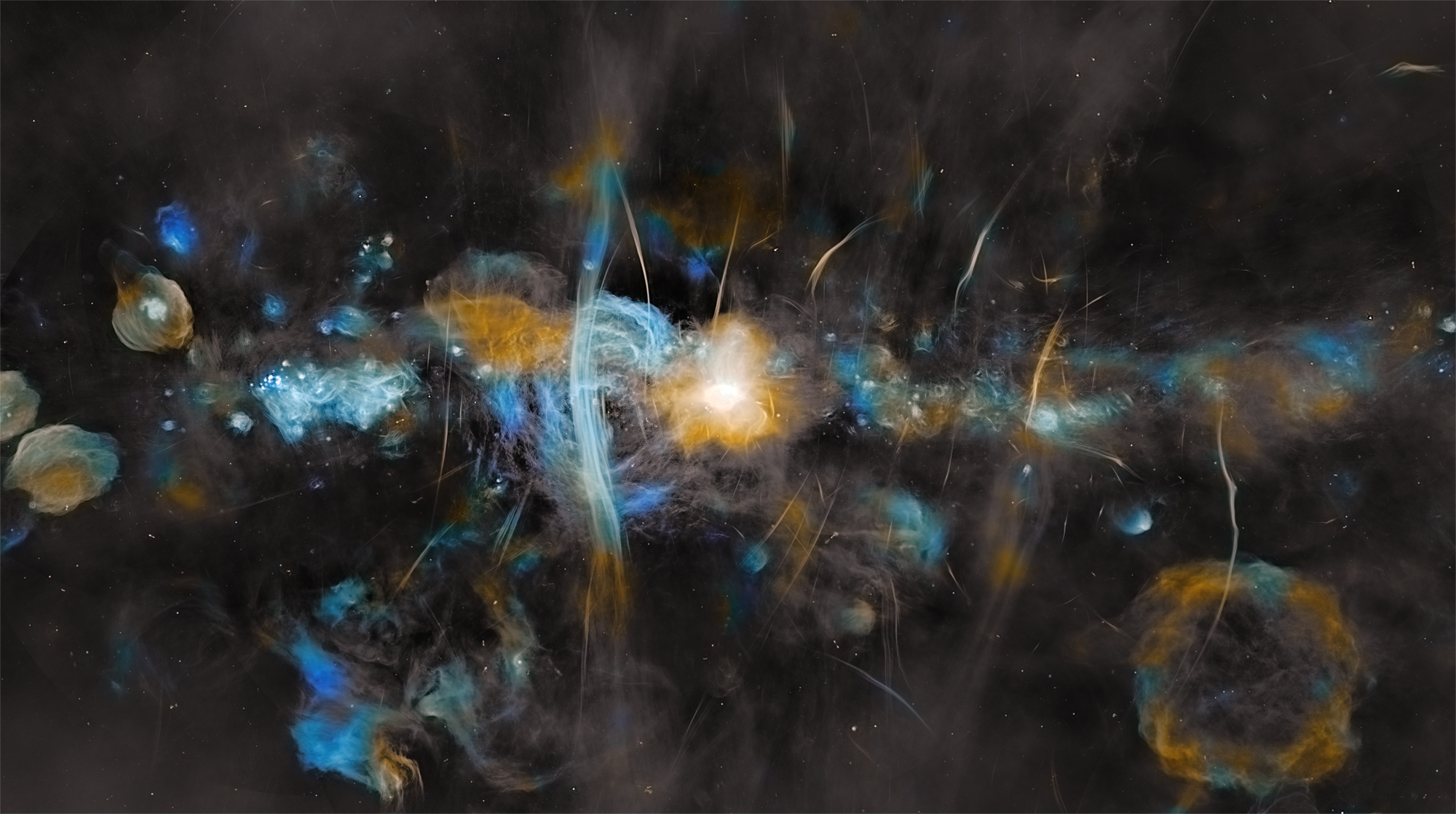
Highlights from the AASKAII chapter
"The Role of Artificial Intelligence in the SKA Era"
AI arrived between CERN's first data and SKAO's
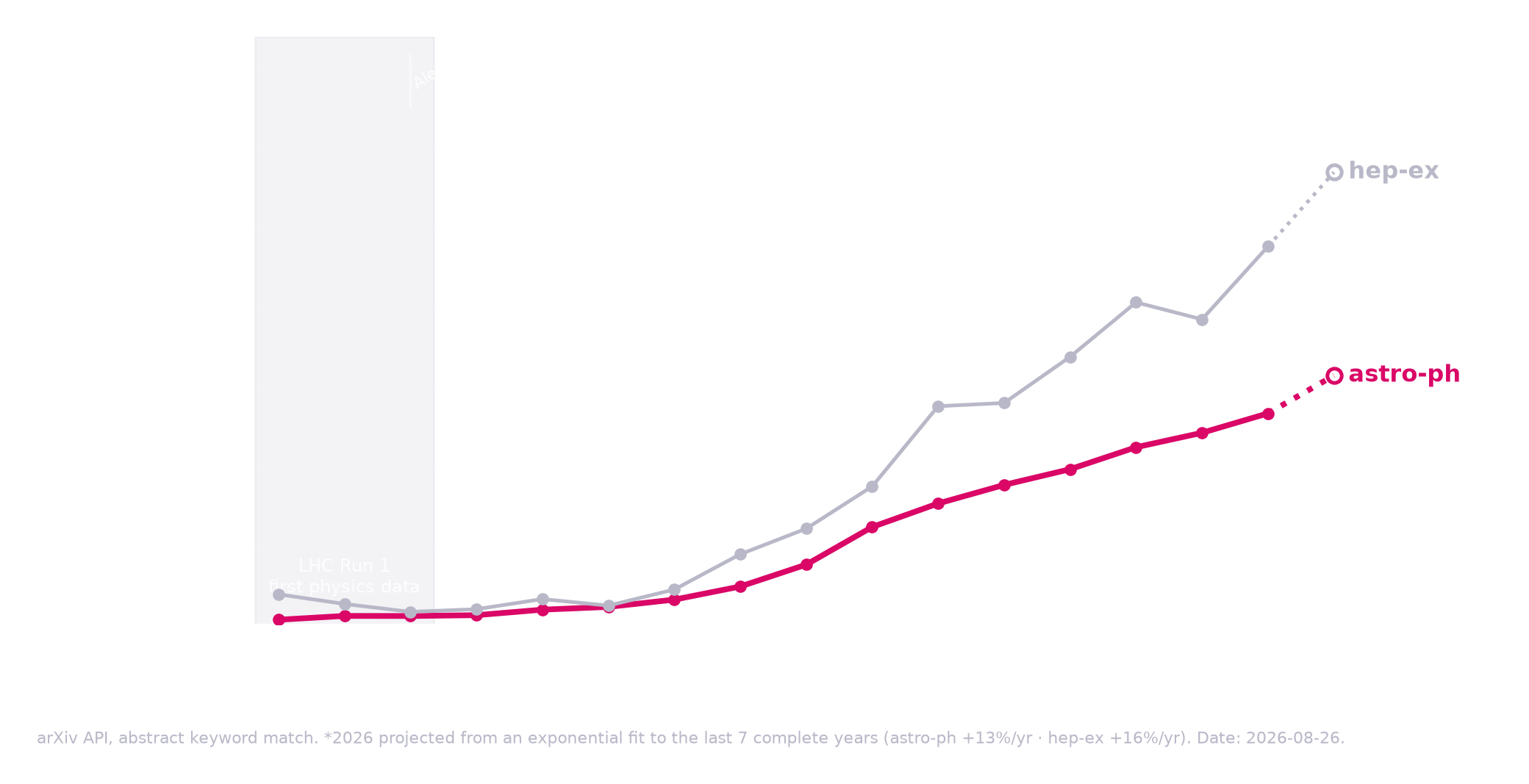
What CERN teaches us
AI for mitigating the data deluge
- A global federated computing fabric planned a decade before first light — WLCG: ~1.4 M cores, 1.5 EB, 170+ sites. SRCNet is the analogue.
- A shared software stack and a real open-data and reproducibility culture
Lessons not yet in focus
- CERN retrofitted ML into the system design
- SKAO can be AI-native at design time — learned triage in the SDP, specified now, not 2040
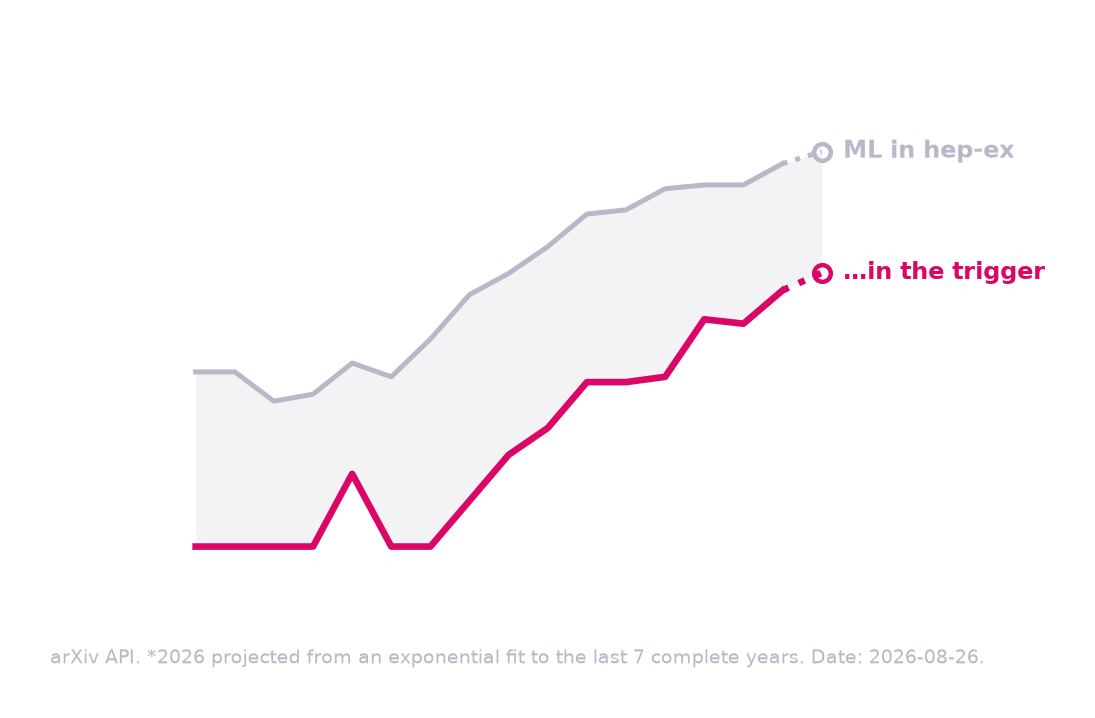
The LHC trigger keeps roughly 1 event in 20 000. Everything else is discarded, permanently, by cuts hand-designed in the 2000s.
- But: an AI trigger that discards data must be uncertainty-aware and auditable, or the "unknown unknowns" go first
The Swiss strengths
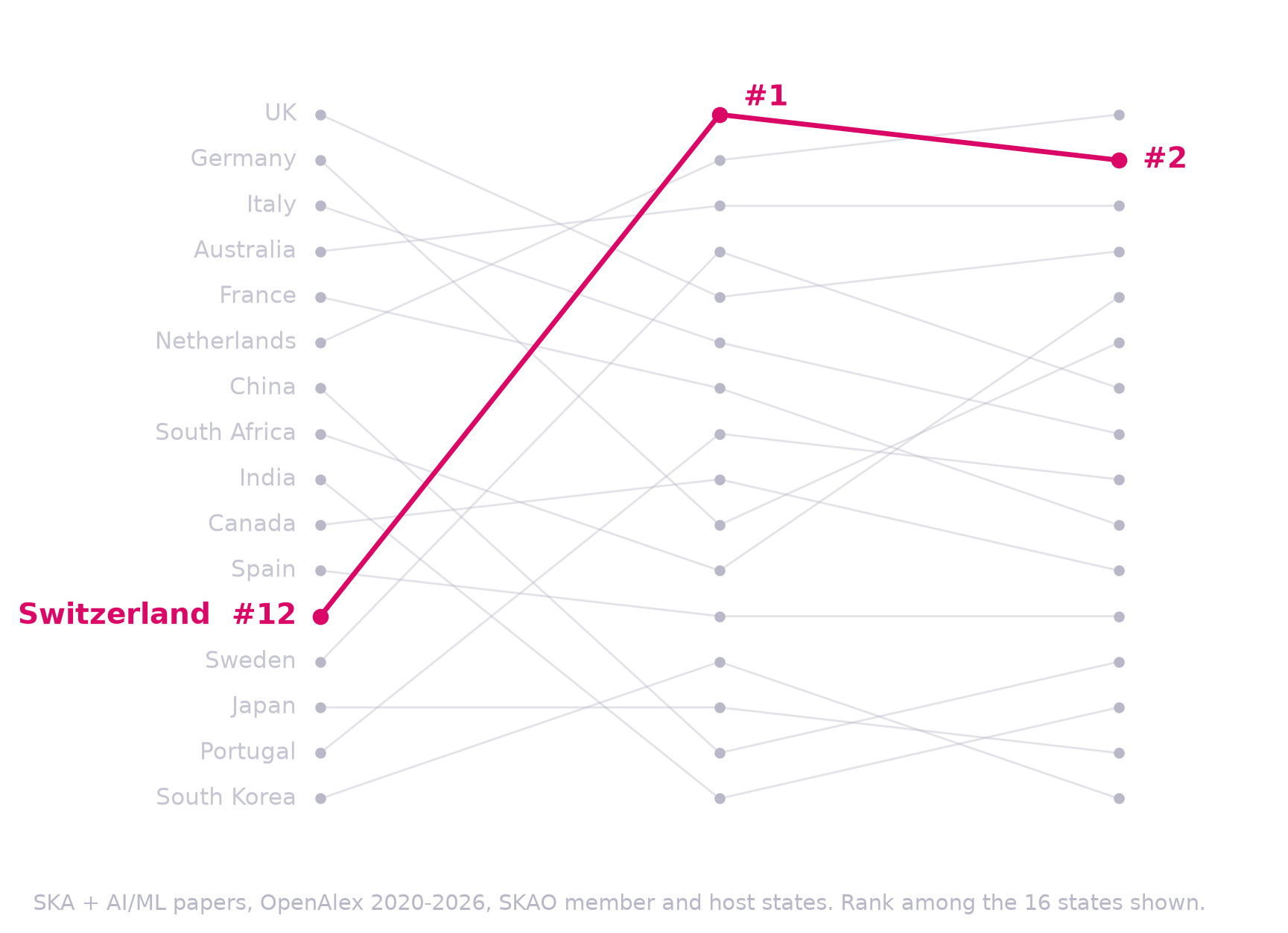
1st
SKA+AI papers per capita
9
SKACH institutions
2nd
SKA+AI papers per institution with A&A programme
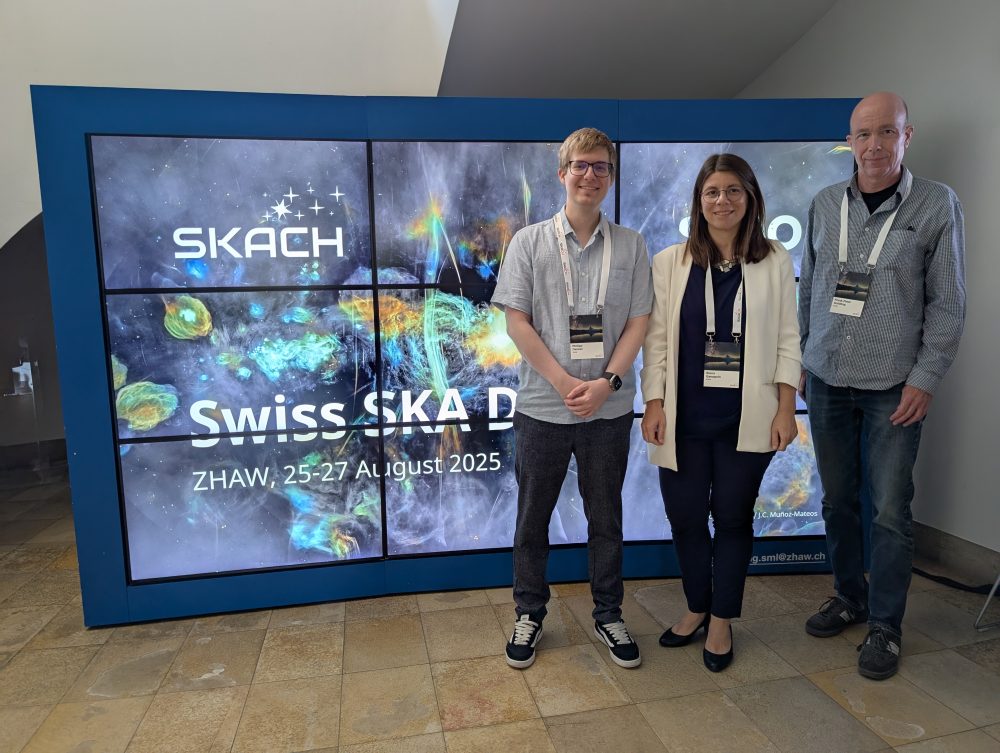
Member since Jan 2022 · ~100 people · contributions concentrated in science with AI, the software and data layer (Karabo, SDP, SRCNet)