
Intrinsic and Post-Hoc Explainability
for Anomaly Detection in Network Intrusion Detection Systems
2026-05-06 | Philipp Denzel
 Armasuisse CYD campus
Slides
Outlook
- Recent developments in cybersecurity
- Challenges for Network Intrusion Detection Systems (NIDS)
- Benchmarks for AI-based NIDS?
- Our study
- Anomaly Transformer architecture
- Intrinsic explainability
- Post-hoc techniques
- Our future plans
Cybersecurity
Cybersecurity
is a cat-and-mouse game
Every system that stores, transmits, or processes data is a potential target. Attackers need to find only one gap, defenders must close them all.
And yet, the most damaging attacks often exploit the simplest mistakes.
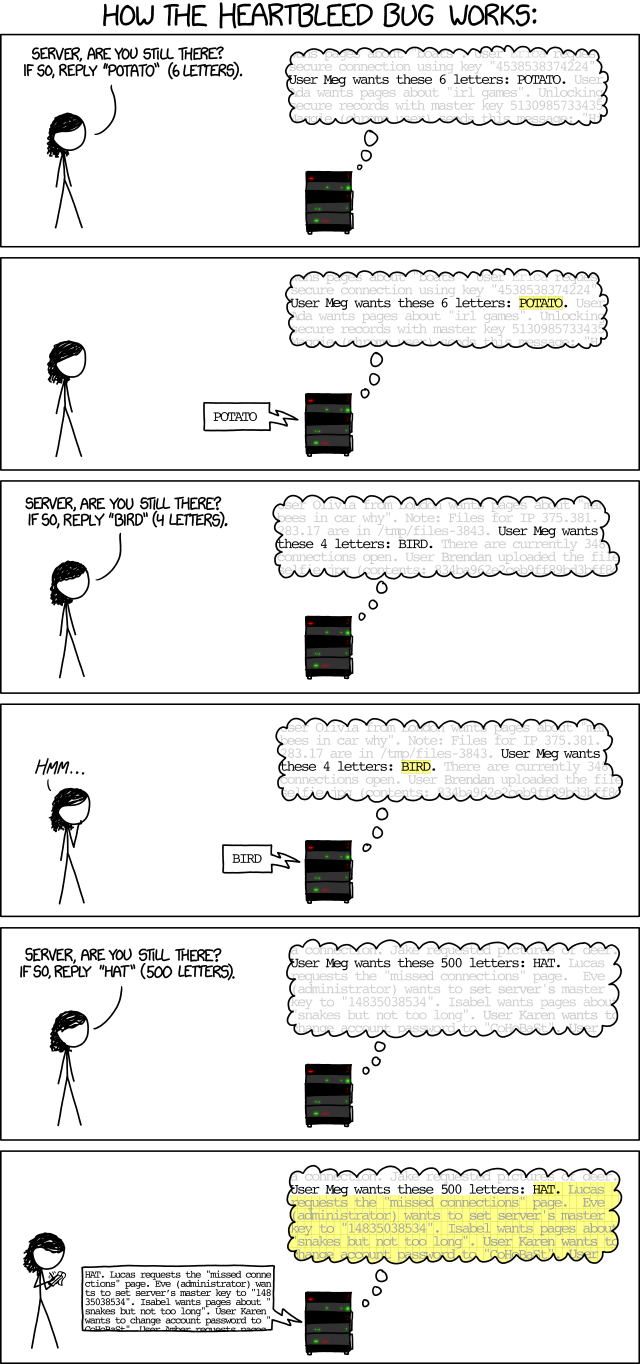
Heartbleed was such a vulnerability,
cf. XKCD 1354: Heartbleed Explanation
Heartbleed
Heartbleed (CVE-2014-0160)
A missing length check in OpenSSL's heartbeat extension let any client request up to 64 KB of live server memory per packet; passwords, private keys, session tokens.
- ~500,000 servers affected
- est. $500M in remediation
No authentication required.
No entry in the logs.
Silent by design.
AI Raises the Stakes
New York Times; Credit: Samyukta Lakshmi/Bloomberg

AI as Offensive Weapon
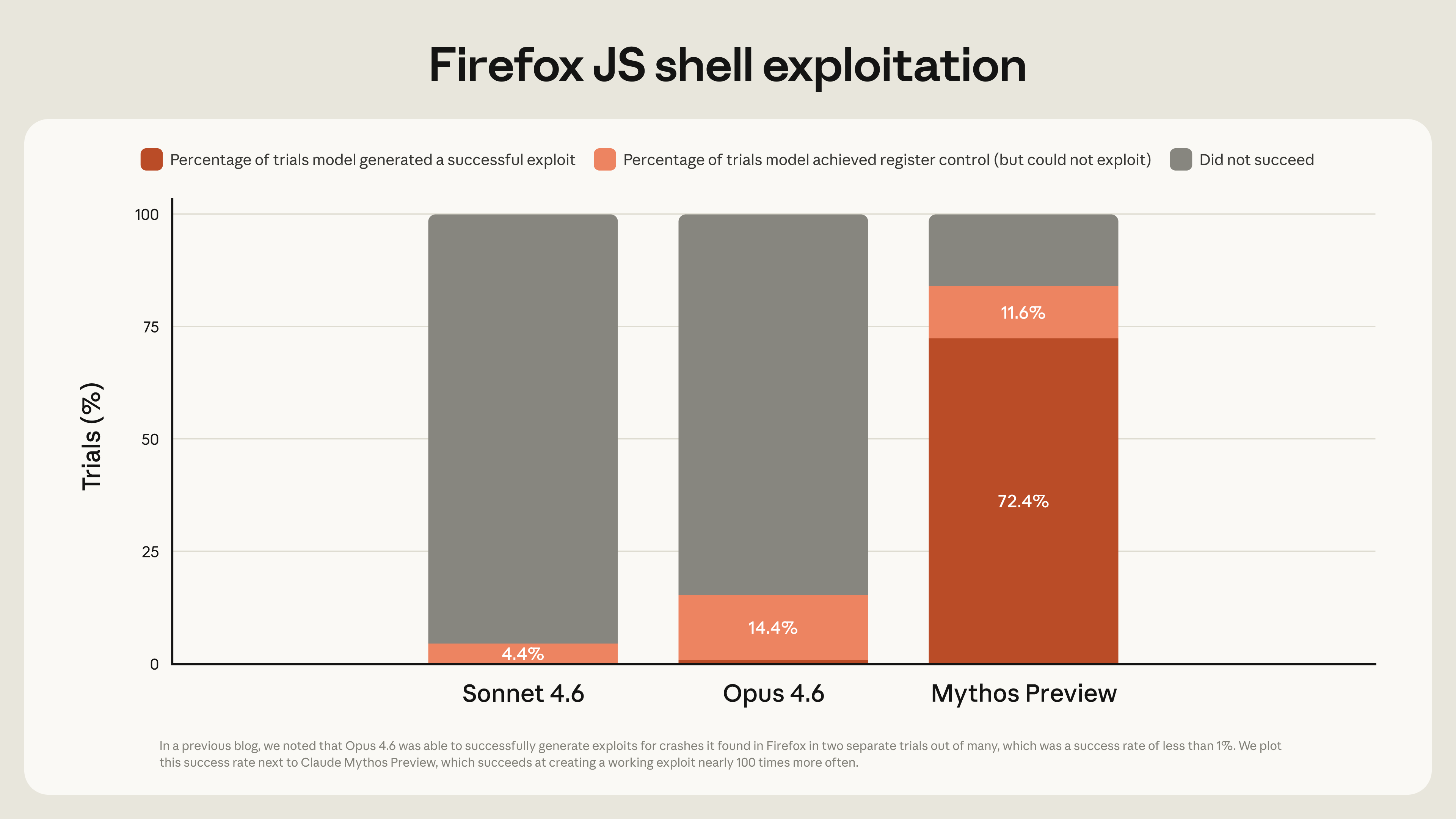
In April 2026, Anthropic withheld Claude Mythos Preview from public release due to its cybersecurity capabilities, the first time a leading AI lab did so.
Key findings from the Anthropic Red Team:
- Zero-days in every major OS and browser
- A 27-year-old OpenBSD bug, exploited fully autonomously
- successful Firefox exploit trials:
Opus 4.6 ×2 → Mythos Preview ×181
The window between discovery and exploit has collapsed.
Source: Anthropic Red Team Blog, April 7 2026
Detection is Not Enough
Network intrusion detection systems (NIDS)
We can detect anomalies.
But can we explain them?
The Black-Box Problem
Intrusion Detection Systems are blind
Modern ML-based IDS achieve high accuracy but produce no justification for their decisions.
What analysts need
- Why was this flagged?
- Which features drove the alert?
- Is this a false positive?
- What action should I take?
What they get
- anomaly score: 0.94
- label: malicious
- confidence: high
A system analysts cannot interpret is useless.
Our Approach
Models with inherent explainability potential
Our approach
- Transformer-based anomaly detector AnomalyTransformer (AT) trained on
network flow data - evaluated on the BCCC-CIC-IDS-2017 (revised) benchmark (114 features).
Two complementary explanation tracks:
- Intrinsic: attention weights from the model
- Post-hoc: KernelSHAP for time-series data
What this gives analysts
- Feature-level evidence per alert
- Signals from two independent XAI methods
- A basis for incident report writing
- A path to auditable decisions
Accuracy is necessary.
Explainability is what makes a system deployable.
Benchmark dataset
BCCC-CIC-IDS-2017 Benchmark
Realistic NIDS datasets are rare most are synthetic, outdated, or contain labelling errors.
Why this dataset?
The revised BCCC-CIC-IDS-2017 version fixes mislabelled flows and removes ground-truth leakage from the widely-used CIC-IDS-2017, enabling fair evaluation.
114 features derived from raw network flows,
no payload inspection required.
Attack categories
- DoS / DDoS
- Botnet
- Port scanning
- Brute force (web access, SSH/SFTP)
- Web attacks (SQL injection, XSS)
- Exploitation (Heartbleed, infiltration)
Highly imbalanced, benign traffic dominates.
Realistic class distribution is preserved.
Model Architecture
Transformer-Based Anomaly Detection
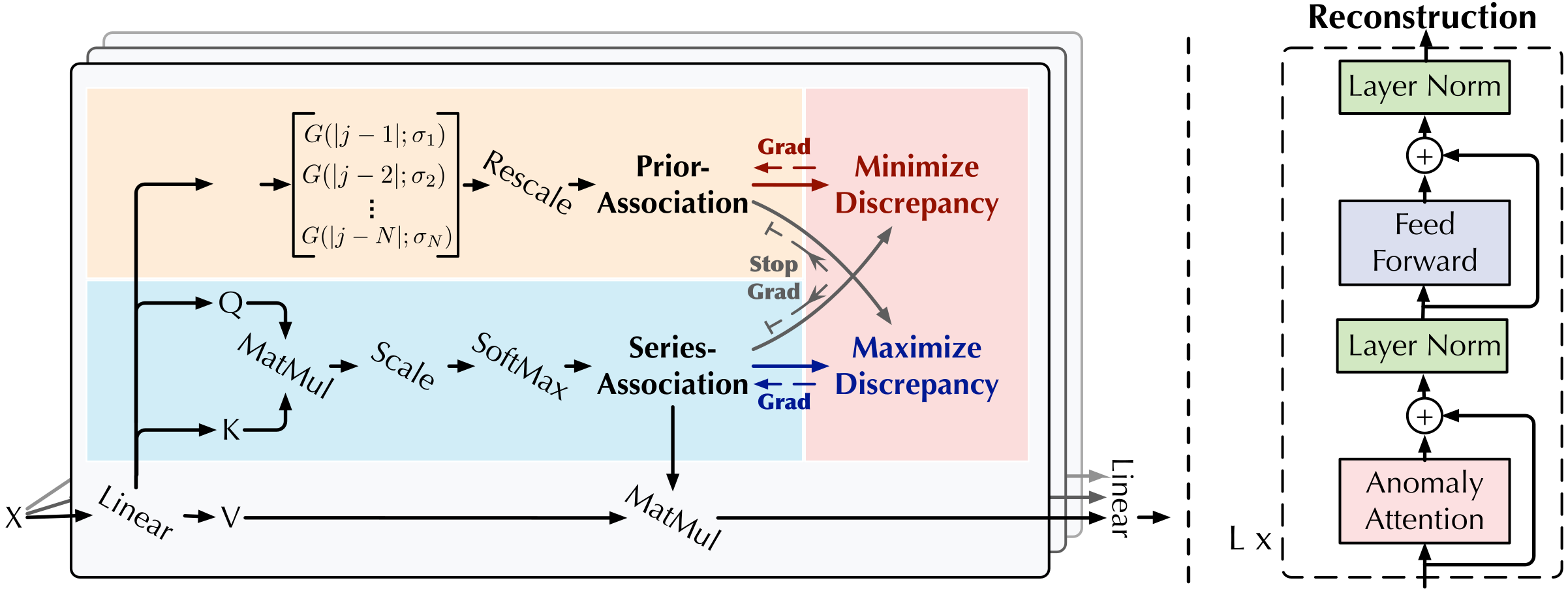
Figure 1: Xu et al. (2022)
Performance comparison
Performance comparison
| Model | Accuracy | Precision | Recall | F1-score | AUROC |
|---|---|---|---|---|---|
| Anomaly Transformer | 0.972 | 0.987 | 0.960 | 0.973 | 0.970 |
| TimesNet | 0.859 | 0.955 | 0.772 | 0.854 | 0.919 |
| Isolation Forest | 0.565 | 0.552 | 0.992 | 0.709 | - |
- Unsupervised training with high class imbalance
- Isolation Forest catches almost all anomalies but creates an overload of false positives for analysts
- AT has strong recall compared to TimesNet (SOTA CNN-based anomaly detector)
- AT performs consistent across all types of attacks (even unseen anomaly types)
- Other benchmarks yield similar results
Dual-Track Intrinsic Explainability
Dual-Track Intrinsic Explanations
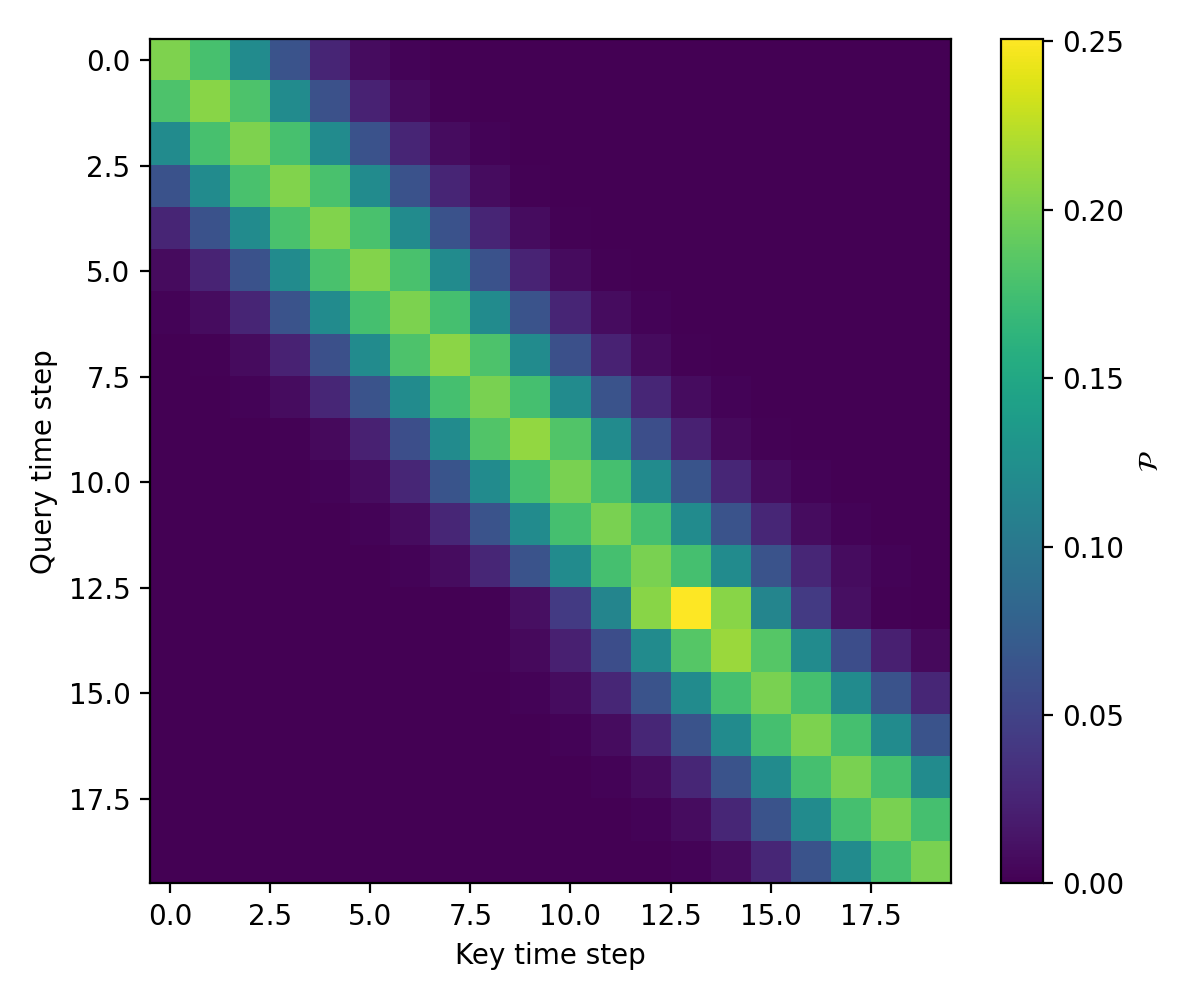
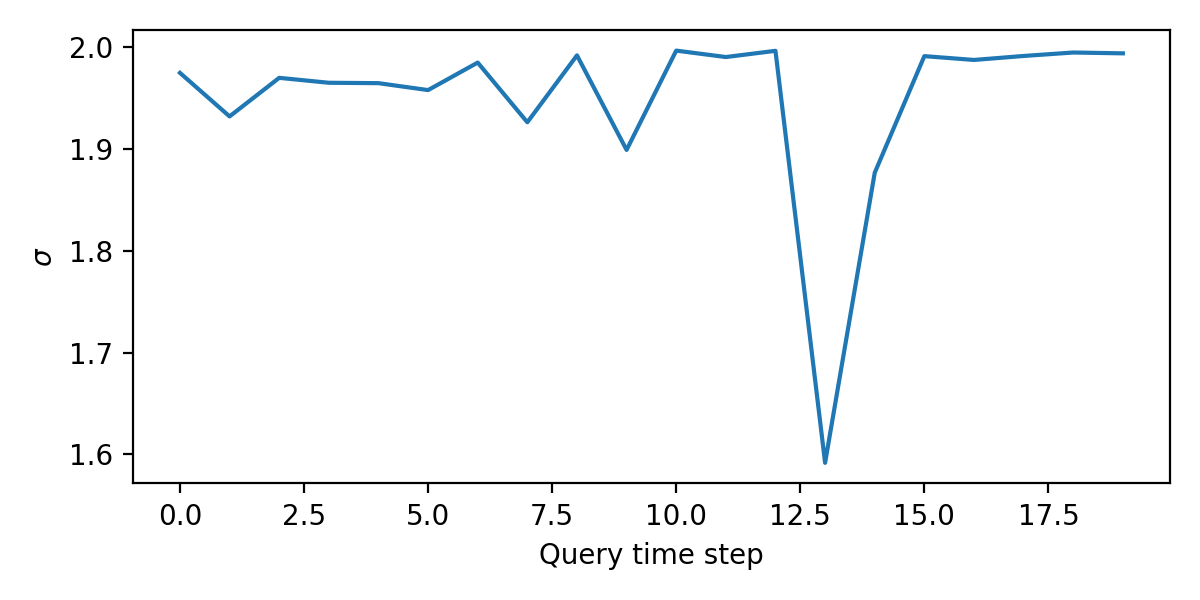
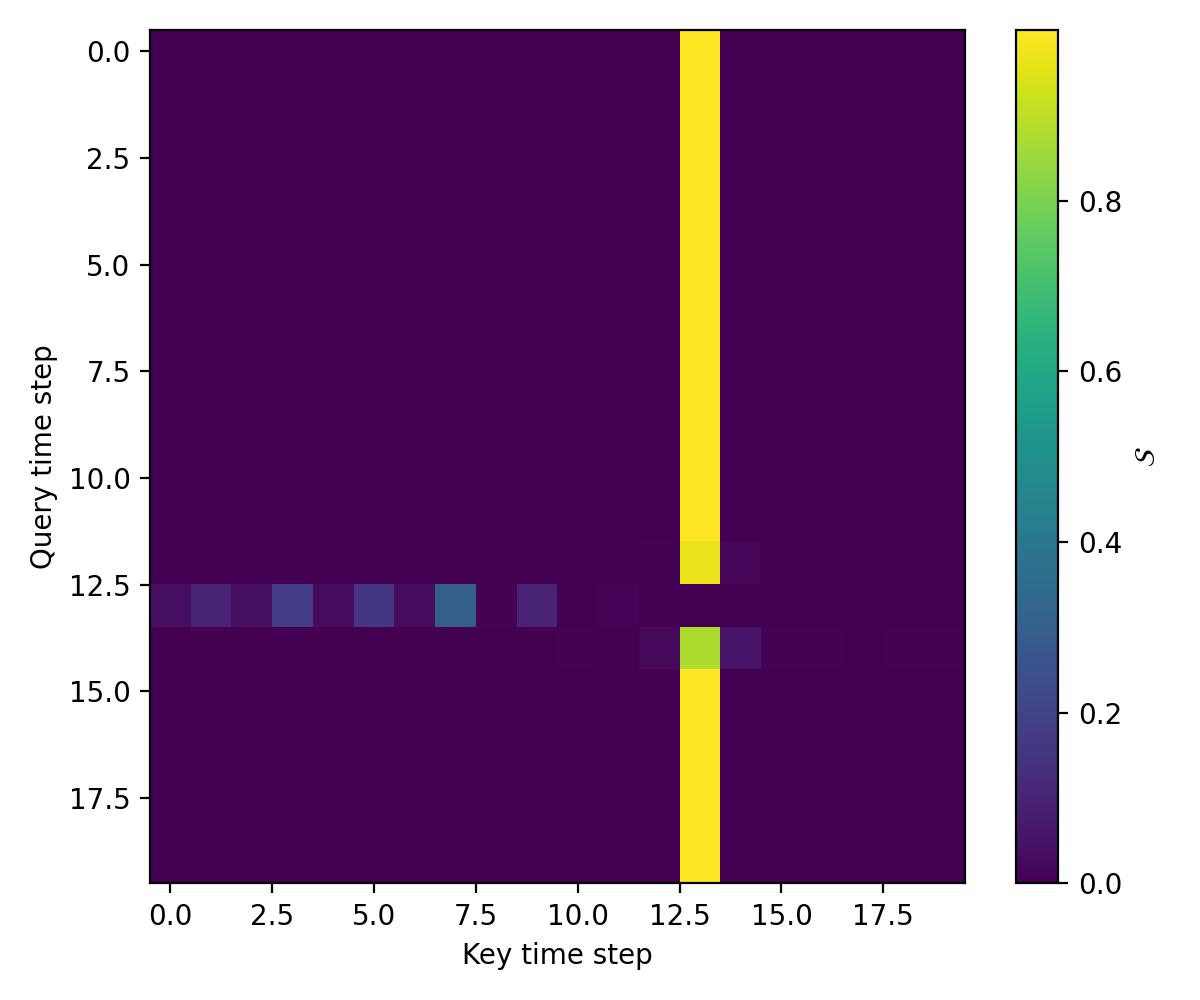
Prior association heatmap & σ-curve
The Gaussian prior narrows at anomalous time steps; a sharper diagonal peak signals concentrated local associations, characteristic of anomalies. A dip in σ at step 13 is a concise, unambiguous diagnostic; available at zero additional cost.
Attention map
Row-wise weights reveal temporal precursors, earlier events that contributed to triggering the anomaly. Column-wise bright stripes mark the anomalous step as globally salient.
Complementary Explainability Modalities
Two Complementary Explanation Modalities
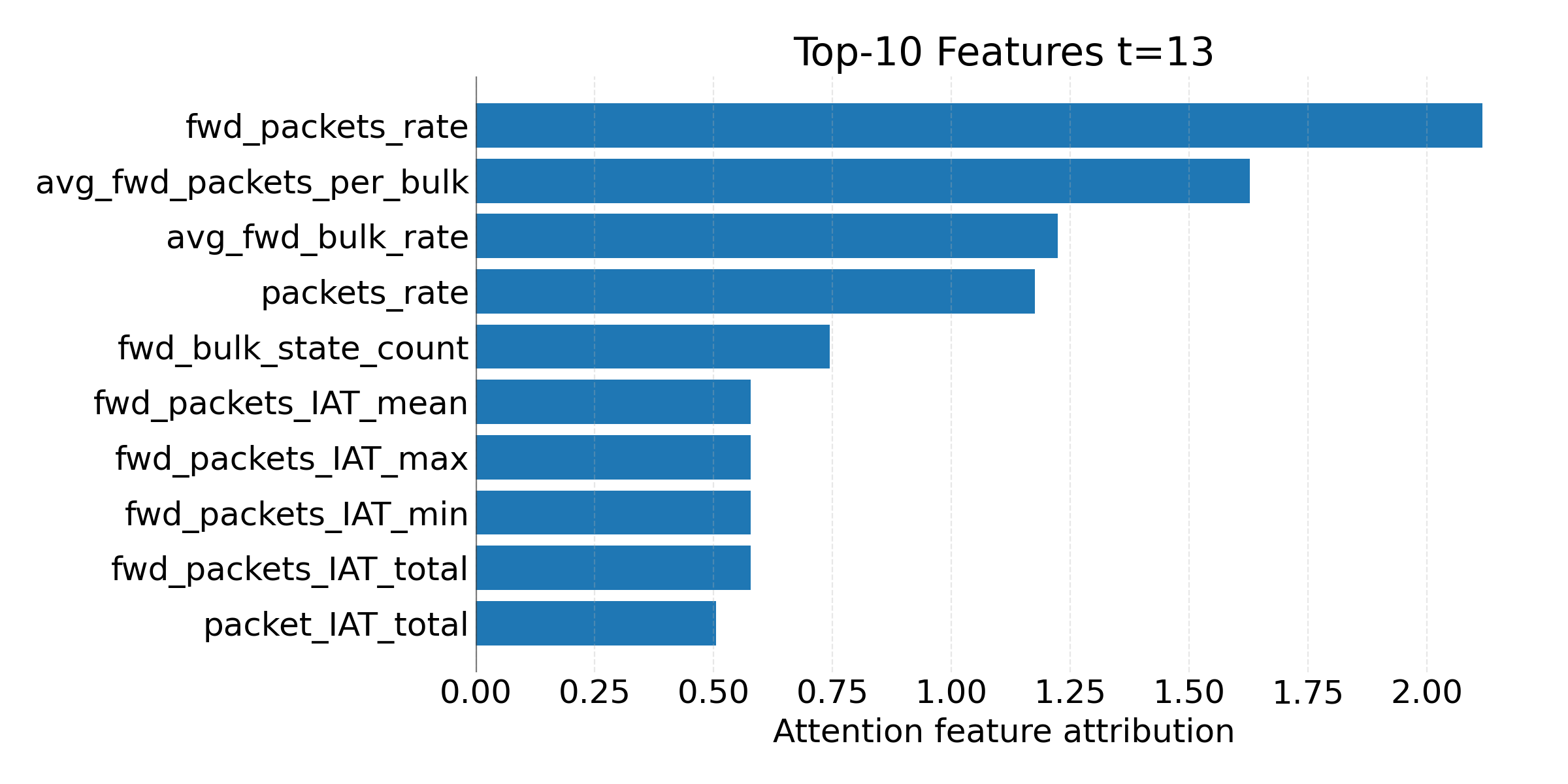
Intrinsic
Prior association heatmaps and σ-curves localize when in the window the anomaly occurs. Attention feature attribution reveals which features the model focused on at that time step.
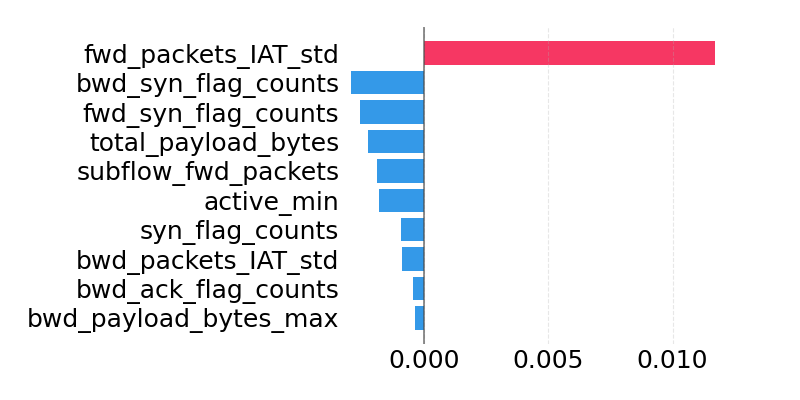
Post-hoc
Time-aware KernelSHAP answers: "Which features, if absent, would most reduce the anomaly score?" Emphasizes packet statistics and flag families
We observed minimal overlap between the two feature sets. Relying on a single modality is insufficient.
Implications for Deployment
Towards Auditable IDS
What analysts gain
Temporal localization: intrinsic explanations pinpoint when in the traffic window the anomaly occurred, supporting rapid triage.
Feature-level audit trail: SHAP attributions identify which raw inputs drove the score, aligned with domain expertise and attack signatures.
Model validation: when both tracks agree, confidence is high. When they diverge, the divergence is itself informative.
Recommended workflow
- Intrinsic σ-curve flags when to look
- Attention map reveals what preceded the event
- SHAP provides feature evidence for the incident report
No single modality is sufficient.
A multifaceted approach is essential for
operational trust, compliance, and auditability.
Future work
Open Directions
Ongoing
Broader benchmark: more realistic datasets for even better validation.
Testing on Locked Shields Partners Run 24 (and 23).
Preliminary results:
AT: F1 ~ 0.81
TimesNet: F1 ~ 0.72
Suricata integration: combining signature-based and anomaly-based detection in a single open-source IDS.
Near-term
Quantitative XAI metrics: fidelity and stability scores to evaluate explanation quality beyond qualitative comparison.
Lightweight SHAP: near-real-time approximations in live environment.
Adversarial robustness: test stability of detection under evasion attempts.
Longer-term
GNN-based IDS: topology-aware representations with node-level explanations mapped onto network itself.
Realtime application: empirical validation that dual-track explanations improve decision speed and accuracy in practice.
Summary
What we did
Evaluated the Anomaly Transformer for network intrusion detection on the corrected BCCC-CIC-IDS-2017 benchmark, outperforming CNN-based and classical baselines.
Introduced a dual-track explainability framework combining intrinsic attention signals with time-aware KernelSHAP attributions.
What we found
The two explanation modalities are complementary:
intrinsic mechanisms localize anomalies in time,
SHAP provides feature-level audit trails.
Relying on a single modality is insufficient.
A multifaceted approach is essential for
operational trust, compliance, and auditability.
Detection accuracy is necessary, but explainability is what makes a system deployable, auditable, and trustworthy.